100% PURE MAORI MADE, OWNED & OPERATED
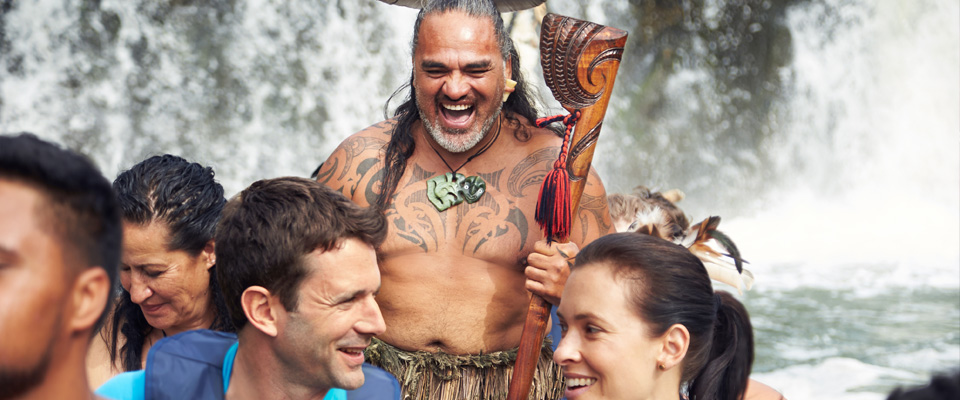
The Bay of Islands originally known as Taiamai is home to Taiamai Tours heritage Journeys and Ngapuhi, New Zealand’s largest tribal Maori group. Our interactive Waka experience provides participants with unique insights into our ancient customs, rituals and traditions.
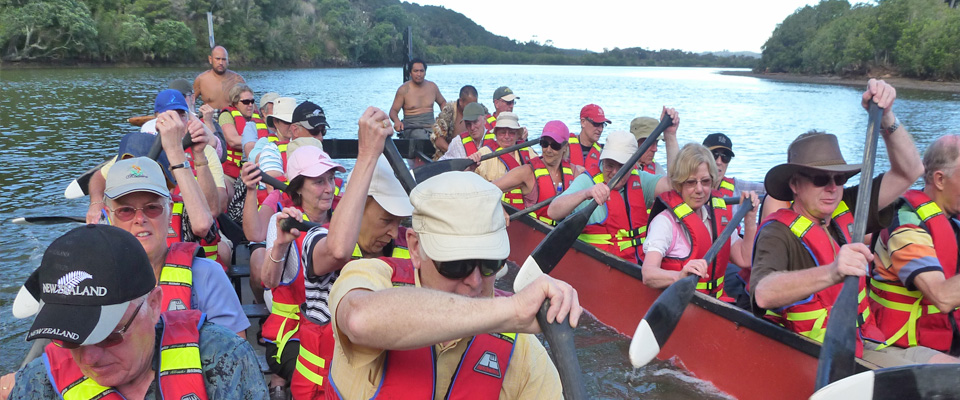
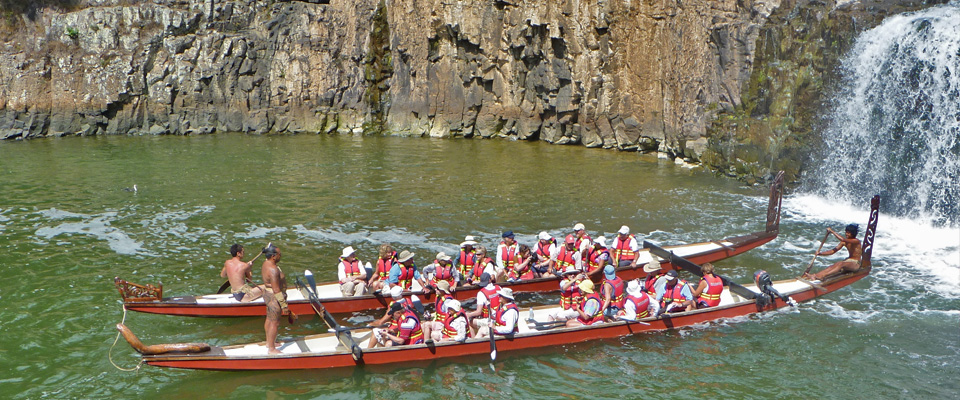
Your invited to join us and through interactive participation in our culture you will gain a deeper understanding of our cultural values and principles. Our ancient histories and stories are shared with you as we paddle our 40 ft Waka Taua (War Canoe) together on the tidal estuaries of the Waitangi River.
Departing Tuesday, Thursday, Saturdays only, at 9.00am during the summer months, our Silver Qual mark endorsed and exclusive Ngapuhi Tribal canoe voyages are a perfect combination of eco, spiritual and interactive cultural experiences and it is from this position that we confidently claim to be 100% PURE MAORI MADE, OWNED & OPERATED
Tour Bookings
Regular Tours are Tuesday, Thursday, Saturday at 9.00am - October to April.





100% PURE MAORI MADE, OWNED & OPERATED
The Bay of Islands originally known as Taiamai is home to Taiamai Tours heritage Journeys and Ngapuhi, New Zealand’s largest tribal Maori group. Our interactive Waka experience provides participants with unique insights into our ancient customs, rituals and traditions.
Your invited to join us and through interactive participation in our culture you will gain a deeper understanding of our cultural values and principles. Our ancient histories and stories are shared with you as we paddle our 40 ft Waka Taua (War Canoe) together on the tidal estuaries of the Waitangi River.
Departing Tuesday, Thursday, Saturdays only, at 9.00am during the summer months, our Silver Qual mark endorsed and exclusive Ngapuhi Tribal canoe voyages are a perfect combination of eco, spiritual and interactive cultural experiences and it is from this position that we confidently claim to be 100% PURE MAORI MADE, OWNED & OPERATED
Tour Bookings
Regular Tours are Tuesday, Thursday, Saturday at 9.00am - October to April.

© Copyright 2026. Taiamai Tours Heritage Journeys. All Rights Reserved.